Port Moresby, Papua New Guinea
Pacific leaders have delivered a decisive message: the era of planning is over
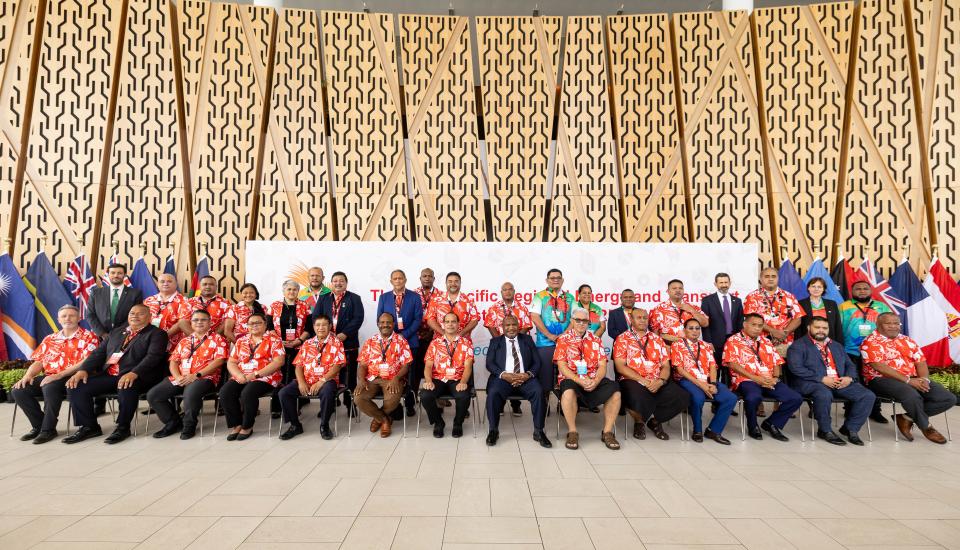
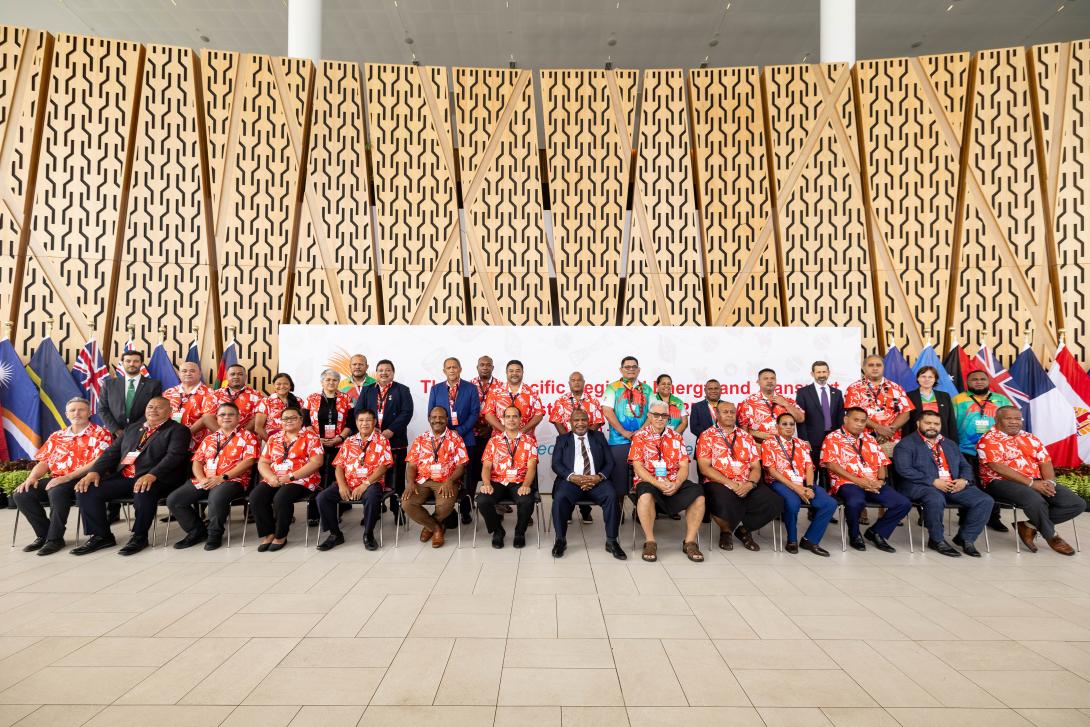
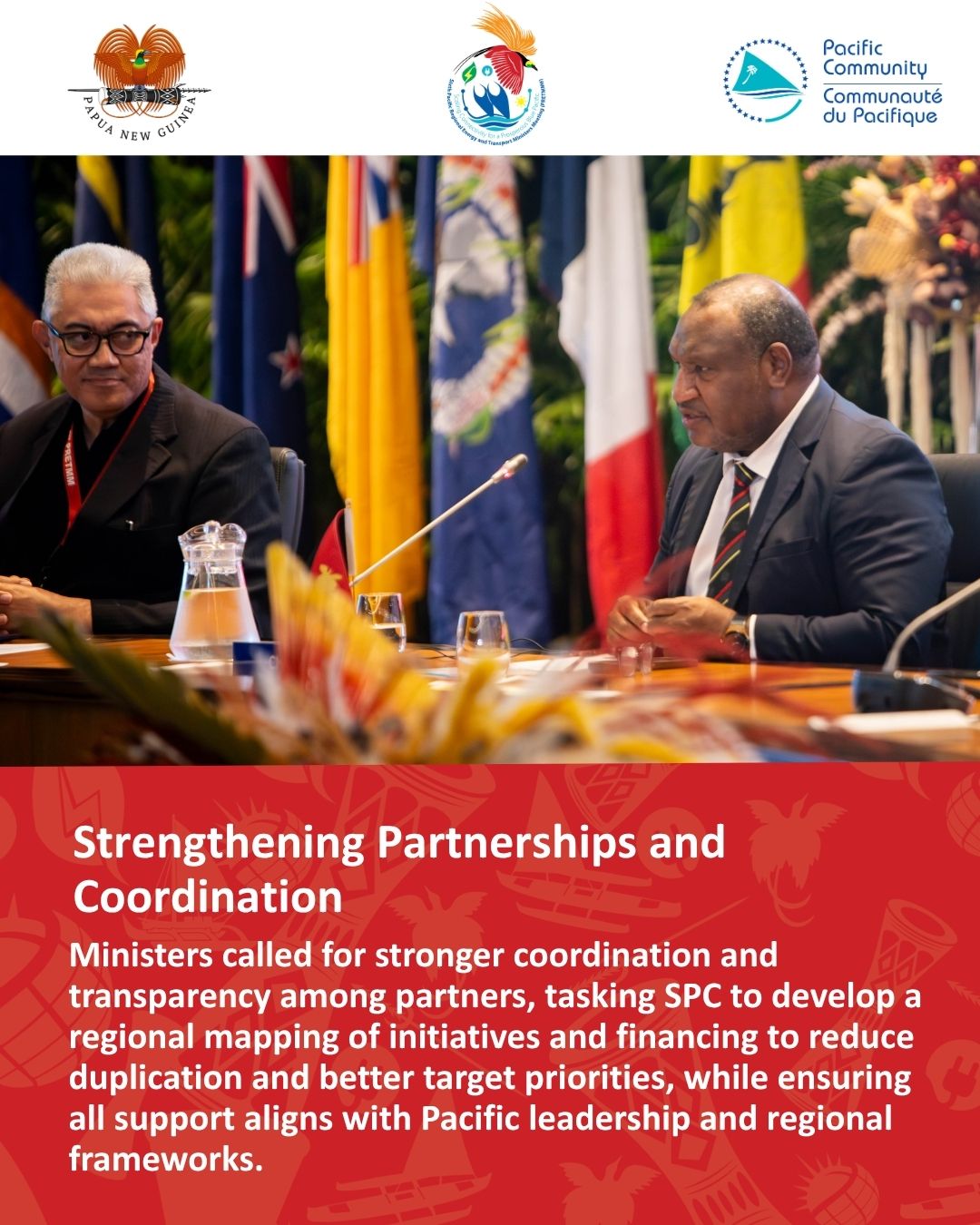
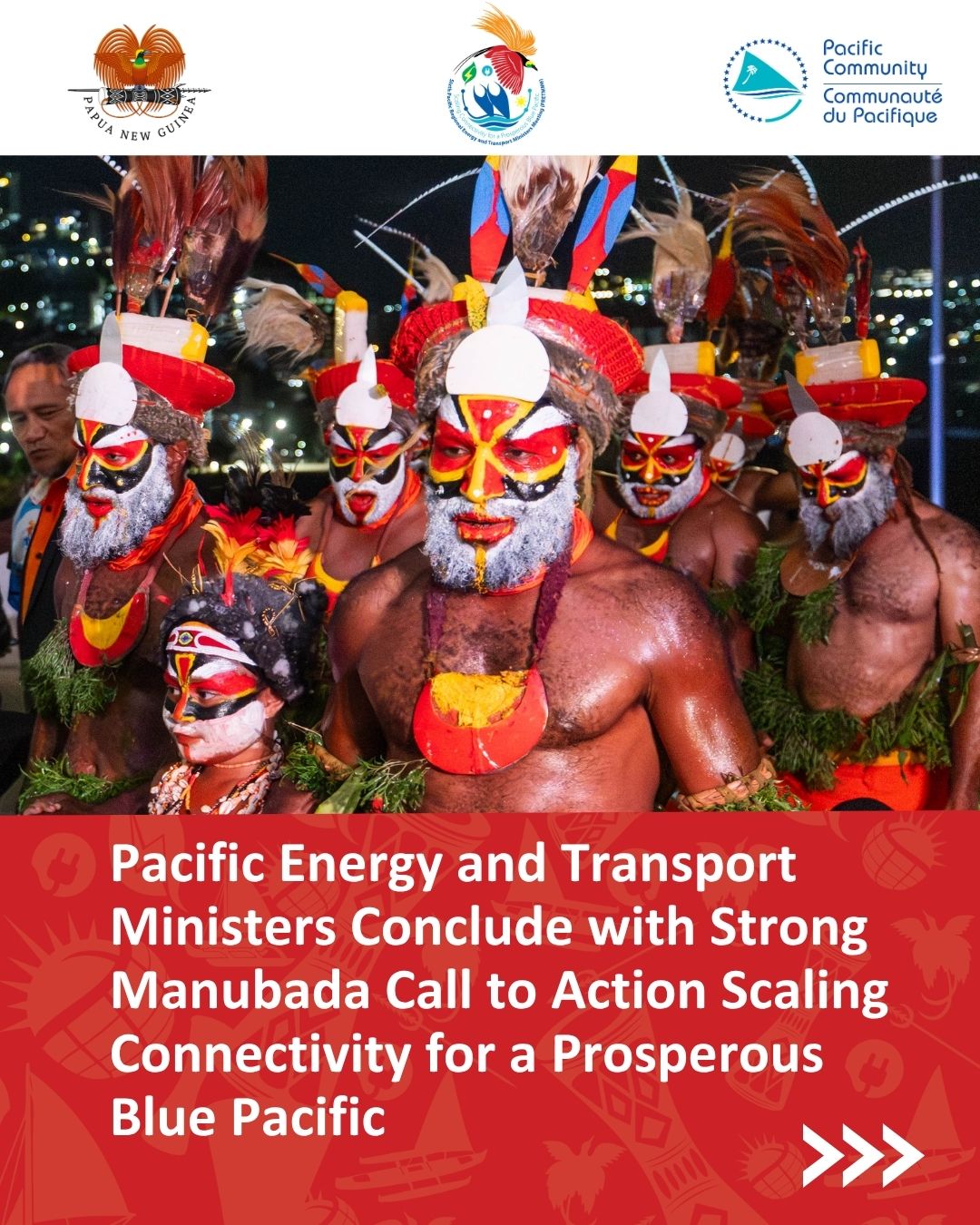
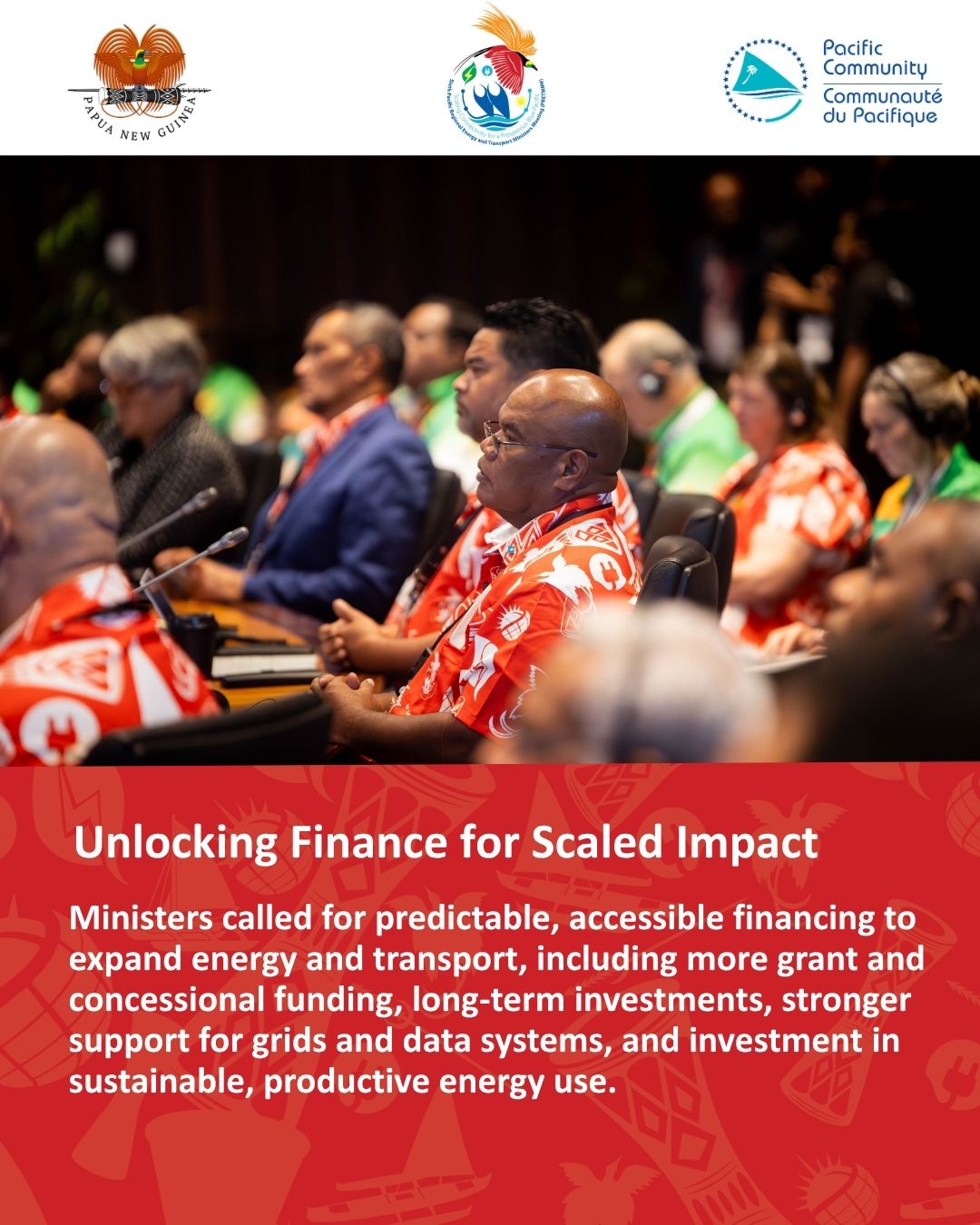
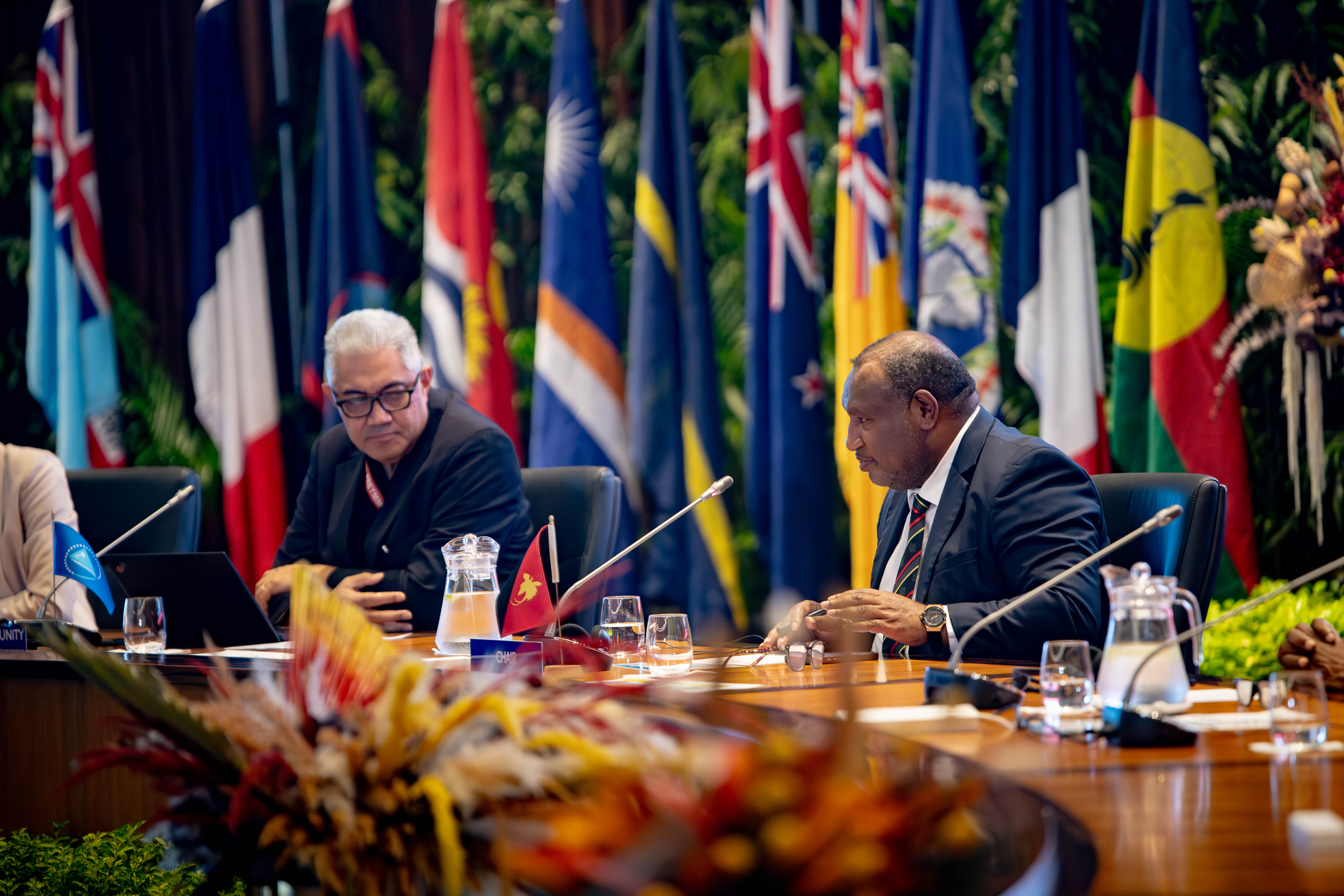
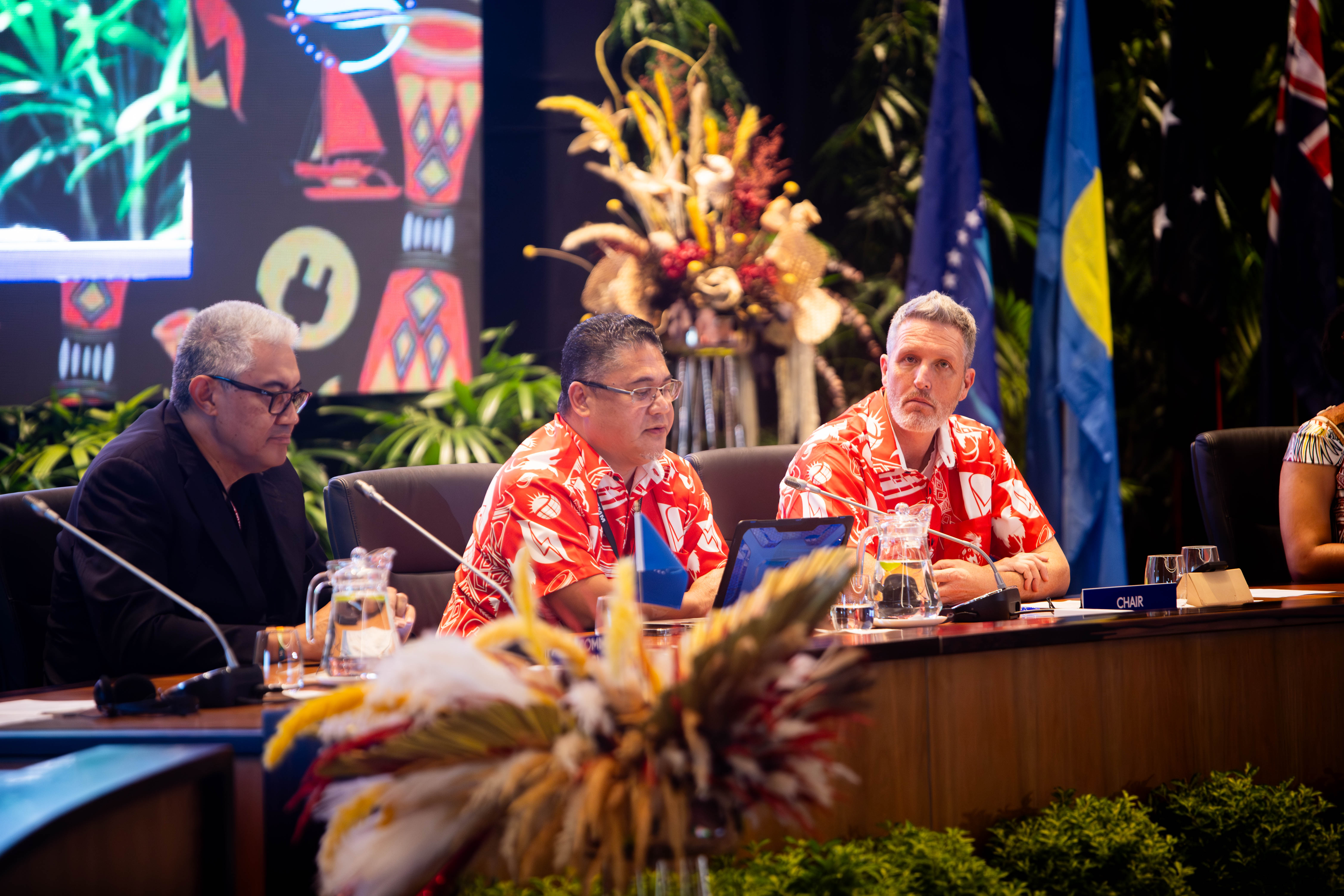
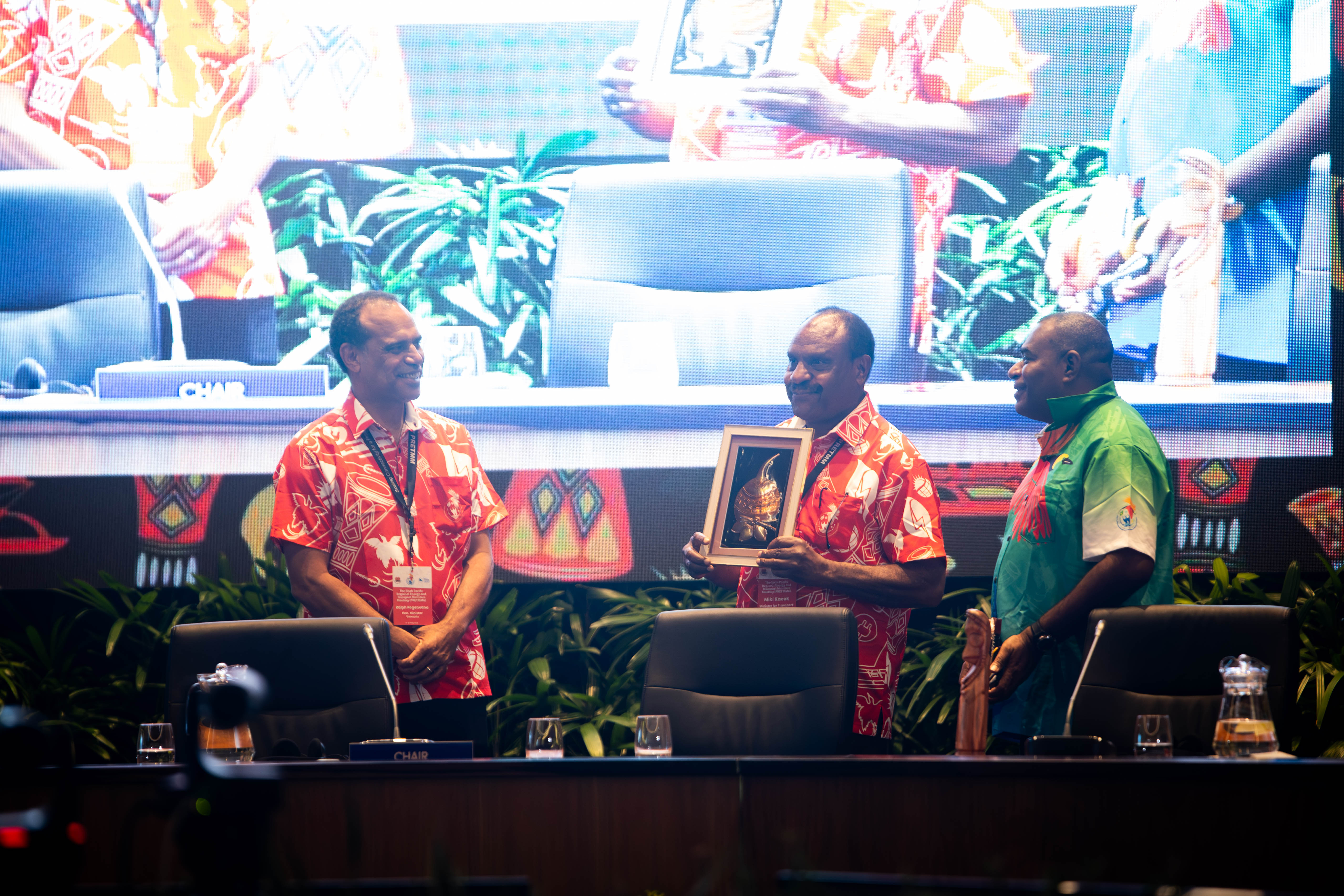
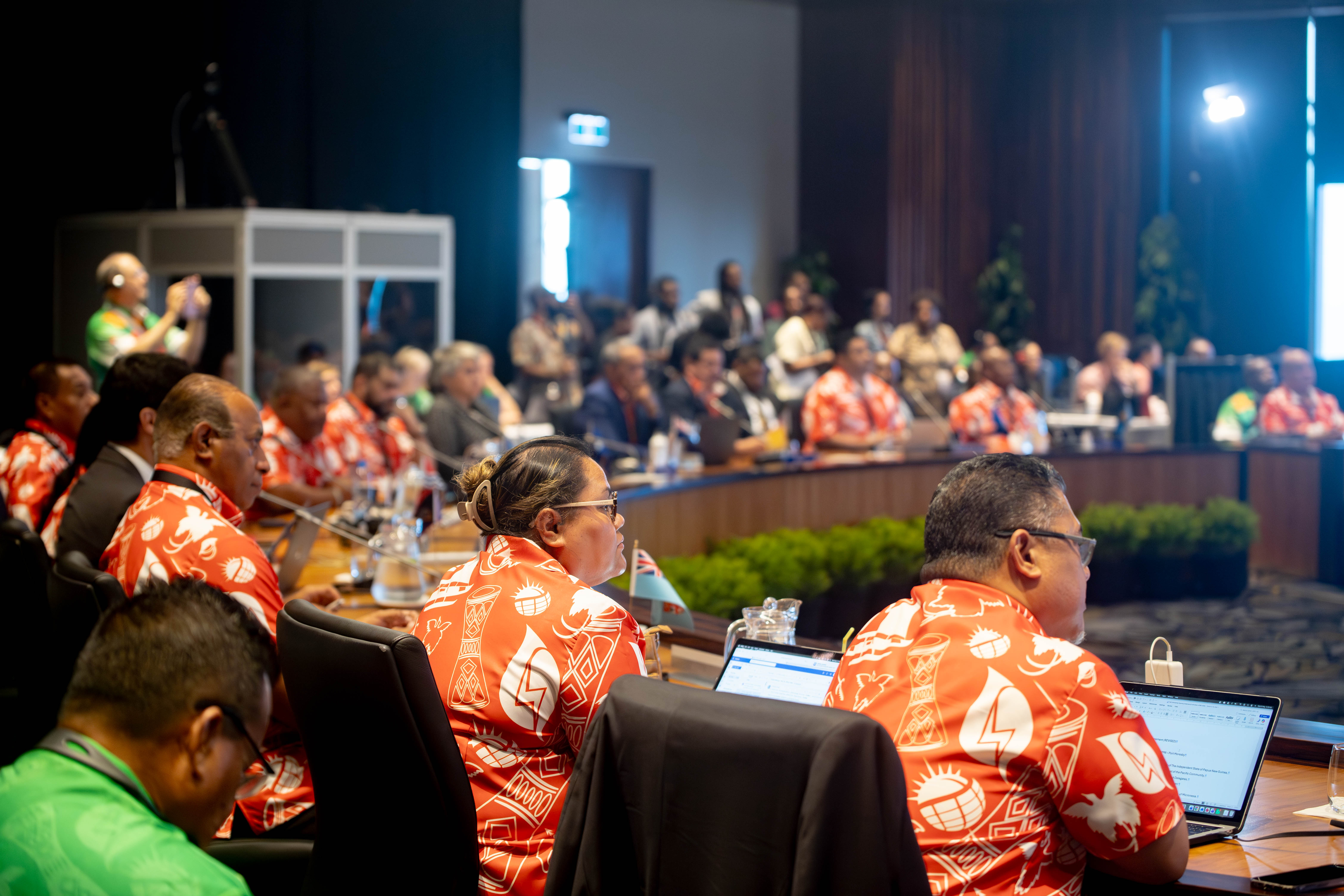
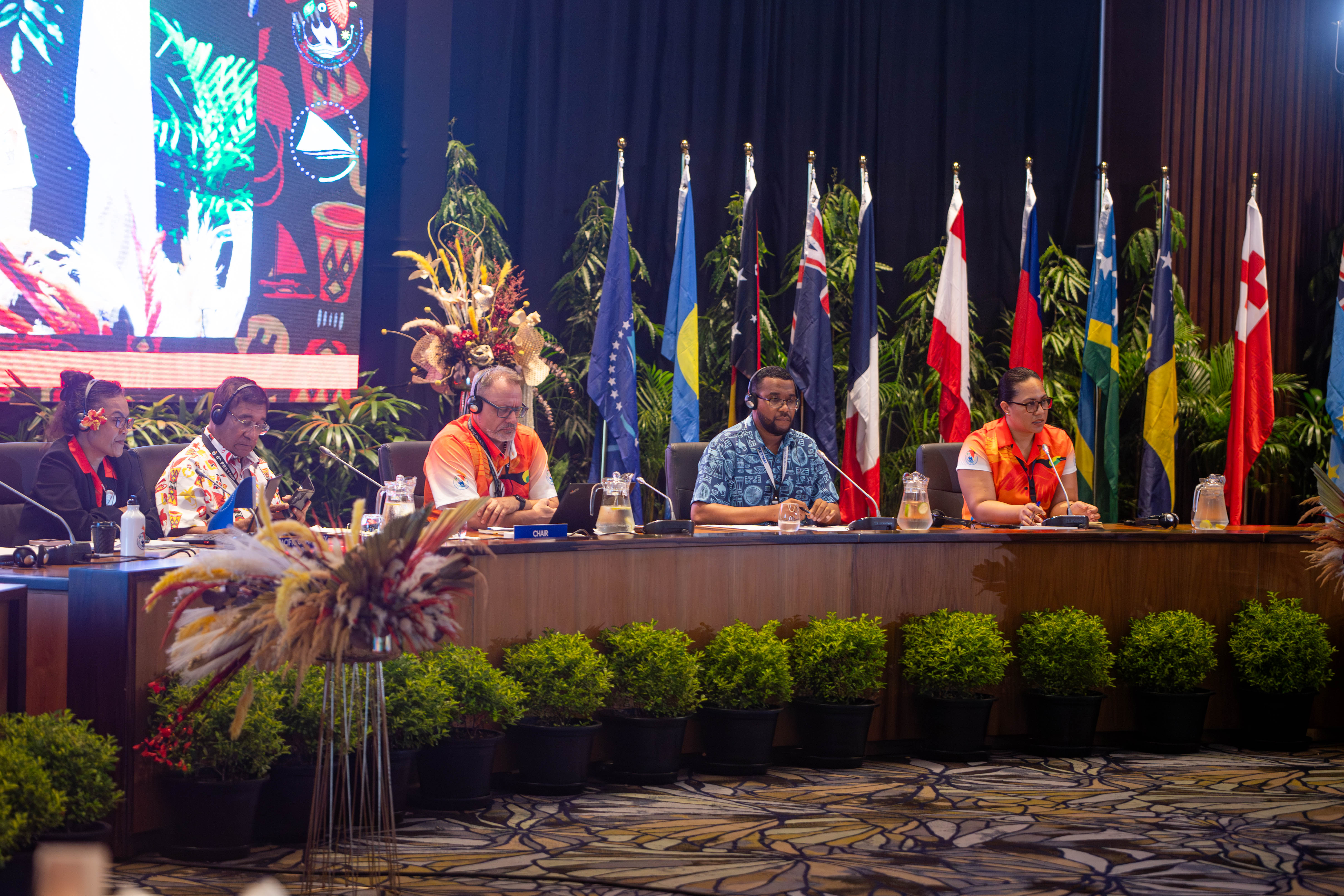
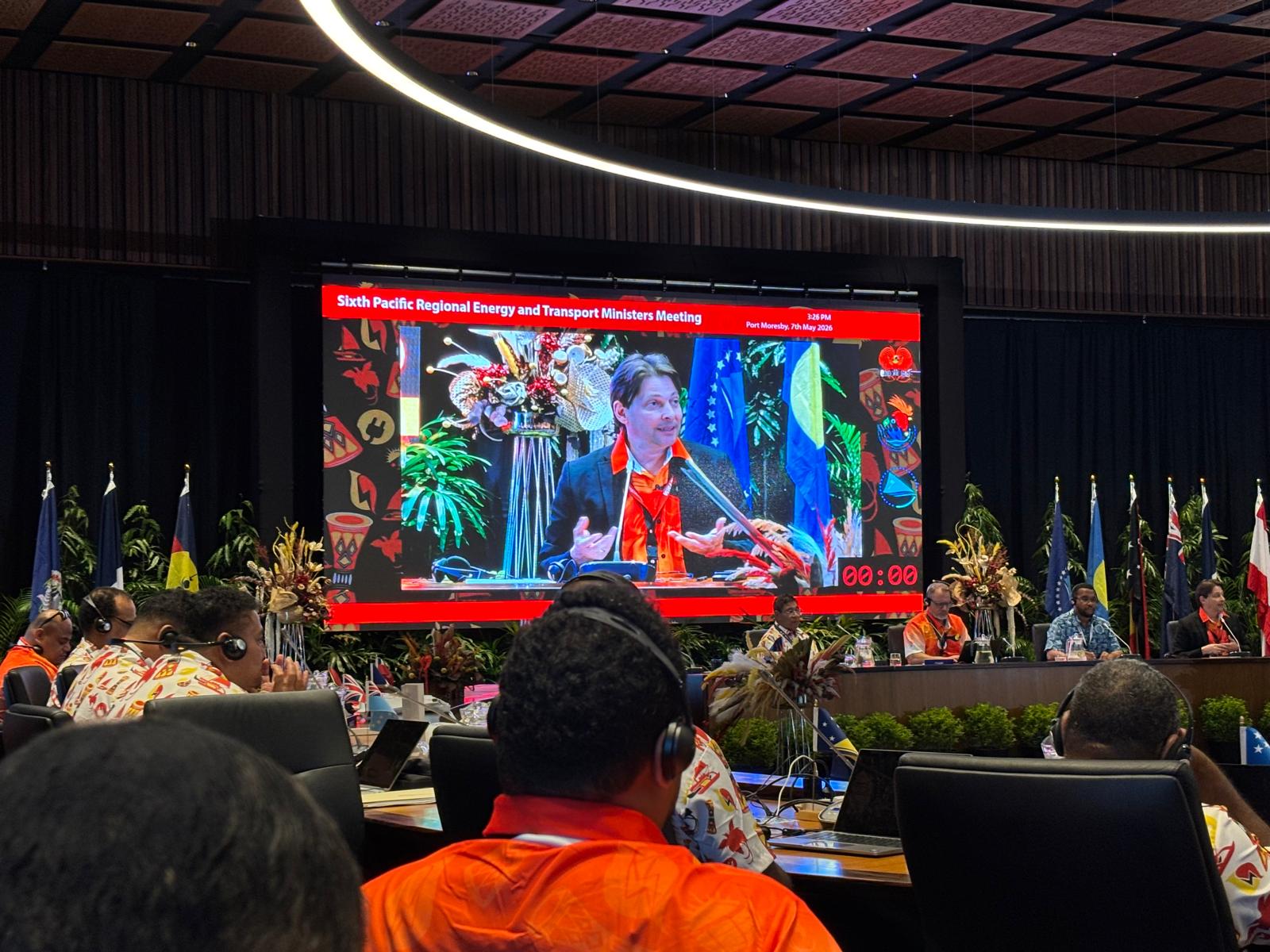
The time for action has arrived. Convened at APEC Haus from 4–8 May 2026 under the theme "Scaling Connectivity for a Prosperous Blue Pacific", the Sixth Pacific Regional Energy and Transport Ministers Meeting (PRETMM6) brought together Ministers from 22 Pacific Island Countries and Territories. Its central outcome — the Manubada Call to Action — marks a deliberate shift from ambition to accountability.
As part of the Call to Action, Ministers adopted two new programmes led by the United Nations Industrial Development Organization (UNIDO) and the Pacific Centre for Renewable Energy and Energy Efficiency (PCREEE).
A Region Under Pressure
Pacific Island Countries and Territories are navigating converging crises: fuel price volatility, supply chain disruptions, intensifying climate impacts, and mounting fiscal strain. Continued dependence on imported fuels leaves the region exposed — making the energy transition not just a climate imperative, but a matter of economic resilience, affordability, and sovereignty.
100% Renewable Energy Vision
The leaders reaffirmed the shared vision of a 100% renewable energy future for the Blue Pacific, building on the commitments of the Fifth PRETMM held in Port Vila, Vanuatu in 2023 and its Port Vila Call to Action for a just, inclusive and equitable transition to a fossil fuel free Pacific, while acknowledging differing national circumstances and pathways. However, Ministers noted with concern the gap between regional ambition and the actual rate of renewable energy penetration on the ground. In 2023, just 24% of the region's electricity came from renewable sources — a 40-percentage-point gap against the collective ambition of 65% in the same year. Ministers were clear: closing that gap demands an immediate shift from strategy to delivery.
Integrated Just Energy and Transport Transitions
PRETMM6 affirmed that the energy and maritime transport transitions are deeply interdependent and must be planned together. The Framework for Energy Security and Resilience in the Pacific 2.0 (FESRIP 2.0) — the region's reoriented flagship energy framework — shifts from strategy to delivery, centred on power sector transformation, large-scale deployment, and cross-cutting priorities of affordability, sustainability, and gender equity. Alongside it, the Pacific One Maritime Framework (POMF) provides the roadmap for cleaner, more resilient maritime transport. Together, they form the backbone of the region's integrated connectivity agenda.
Connecting to Global Action: The Vienna Call to Action
PRETMM6 acknowledged the Vienna Call to Action on Green Industrialisation, Sustainable Energy, Climate and Security, adopted at the International Vienna Energy and Climate Forum (IVECF), which took place from 9–10 April 2026 and was co-organised by UNIDO and the Austrian Government. Focused on the needs of Small Island Developing States, it recognises the growing exposure of island energy systems to climate change and the urgency of reducing fossil fuel dependence. G-RES, one of the key programmes endorsed at PRETMM6, was launched at the IVECF and directly operationalises these commitments in the Pacific.
Pacific Component of G-RES Launched
A key milestone at PRETMM6 was the endorsement and launch of the Pacific component of the Global Programme on Climate-Resilient Renewable Energy Systems for SIDS (G-RES), officially launched at the IVECF on 10 April 2026. Led by UNIDO in partnership with GN-SEC, PCREEE, and SIDS DOCK, G-RES takes a system-wide approach — advancing climate mitigation and adaptation, energy security, and the decoupling of key island value chains from imported fossil fuels.
With an initial funding envelope of approximately USD 16 million from the Global Environment Facility (GEF) and the Government of Austria, G-RES offers a scalable model for transforming energy systems while generating lasting economic opportunity. Ministers encouraged additional partners, climate funds, and private sector actors to join and expand the programme across the region.
Pacific Renewable Ocean Energy Readiness Programme
Ministers also endorsed the Pacific Renewable Ocean Energy Readiness Programme (PROERP), jointly supported by UNIDO, PCREEE, and SIDS DOCK. Targeting wave, tidal, offshore wind, and floating solar, PROERP will strengthen regulatory frameworks, build institutional capacity, develop investment-ready pipelines, and support pilot deployments. Fiji's hybrid ocean energy pilot at Vatulele Island, commencing July 2026, was welcomed as the Pacific's first such demonstration.
Looking Ahead
PRETMM6 marks a pivotal moment. Underpinned by the Manubada Call to Action and the adoption of FESRIP 2.0, the G-RES and PROERP programmes form a coherent, action-oriented framework for the region's energy future. The Solomon Islands has expressed interest in hosting the Seventh PRETMM in 2029 — the next milestone against which progress will be measured.
The message from Pacific leaders is unequivocal: the time for promises has passed. What is needed now is delivery — at speed, at scale, and with lasting impact for Pacific peoples.
Further information: 6th Pacific Regional Energy and Transport Ministers Meeting 2026 | SPC Geoscience, Energy and Maritime Division

Share article


Latest News
-
Industrial Leaders from Across the EAC Train on Energy Efficiency to Boost Productivity and Reduce Energy Costs 
Industrial Leaders from Across the EAC Train on Energy Efficiency to Boost Productivity and Reduce Energy Costs
-
ECREEE Organises the Fourth Regional Certification Examination for Off-Grid Solar Photovoltaic System Technicians in Benin 
ECREEE Organises the Fourth Regional Certification Examination for Off-Grid Solar Photovoltaic System Technicians in Benin
-
AECID Working Visit to ECREEE: Strengthening the Partnership around the Water-Energy-Food Nexus Facility 
AECID Working Visit to ECREEE: Strengthening the Partnership around the Water-Energy-Food Nexus Facility
-
Advancing Clean Cooking: Regional Webinar Calls for Policy Harmonisation, Standards and Labelling for Electric Cooking Solutions 
Advancing Clean Cooking: Regional Webinar Calls for Policy Harmonisation, Standards and Labelling for Electric Cooking Solutions
-
ReCCAWA Technical Committee Reviews Progress and sets next steps 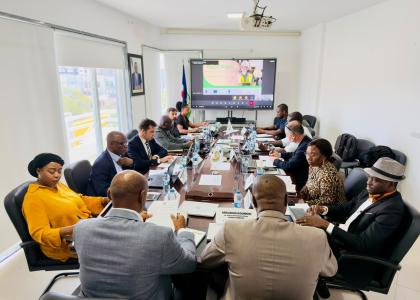
ReCCAWA Technical Committee Reviews Progress and sets next steps
-
Procurement Opportunity: Organization of the First Central Africa Renewable Energy Forum 
Procurement Opportunity: Organization of the First Central Africa Renewable Energy Forum
-
CEREEAC Technical Mission to Equatorial Guinea: Consolidating Achievements and Strengthening Regional Cooperation 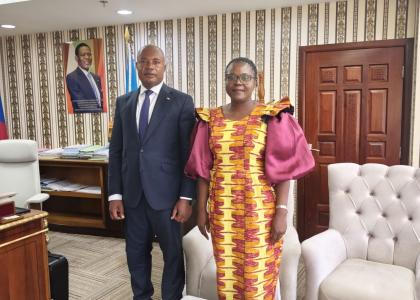
CEREEAC Technical Mission to Equatorial Guinea: Consolidating Achievements and Strengthening Regional Cooperation
-
ECREEE, AECID and RVO Strengthen Regional Coordination for Clean Cooking under ReCCAWA 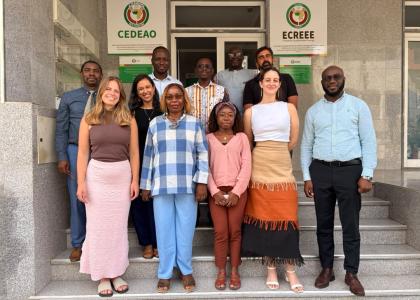
ECREEE, AECID and RVO Strengthen Regional Coordination for Clean Cooking under ReCCAWA
-
Young Professionals Program 
Young Professionals Program
-
ECREEE Celebrating 16 years! 
ECREEE Celebrating 16 years!
-
Executive Director’s Message Caricom Day 2026 Executive Director’s Message Caricom Day 2026
-
Executive Summary of Regional Baseline Study on Green Hydrogen launched at Green Hydrogen Symposium 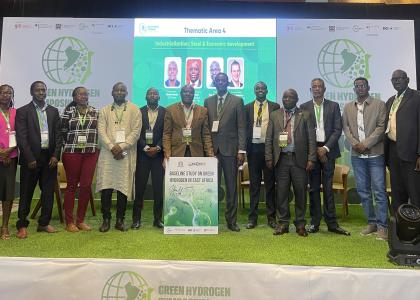
Executive Summary of Regional Baseline Study on Green Hydrogen launched at Green Hydrogen Symposium